Supported by SPARK Global and KSAC (Kansai Startup Academia Coalition)
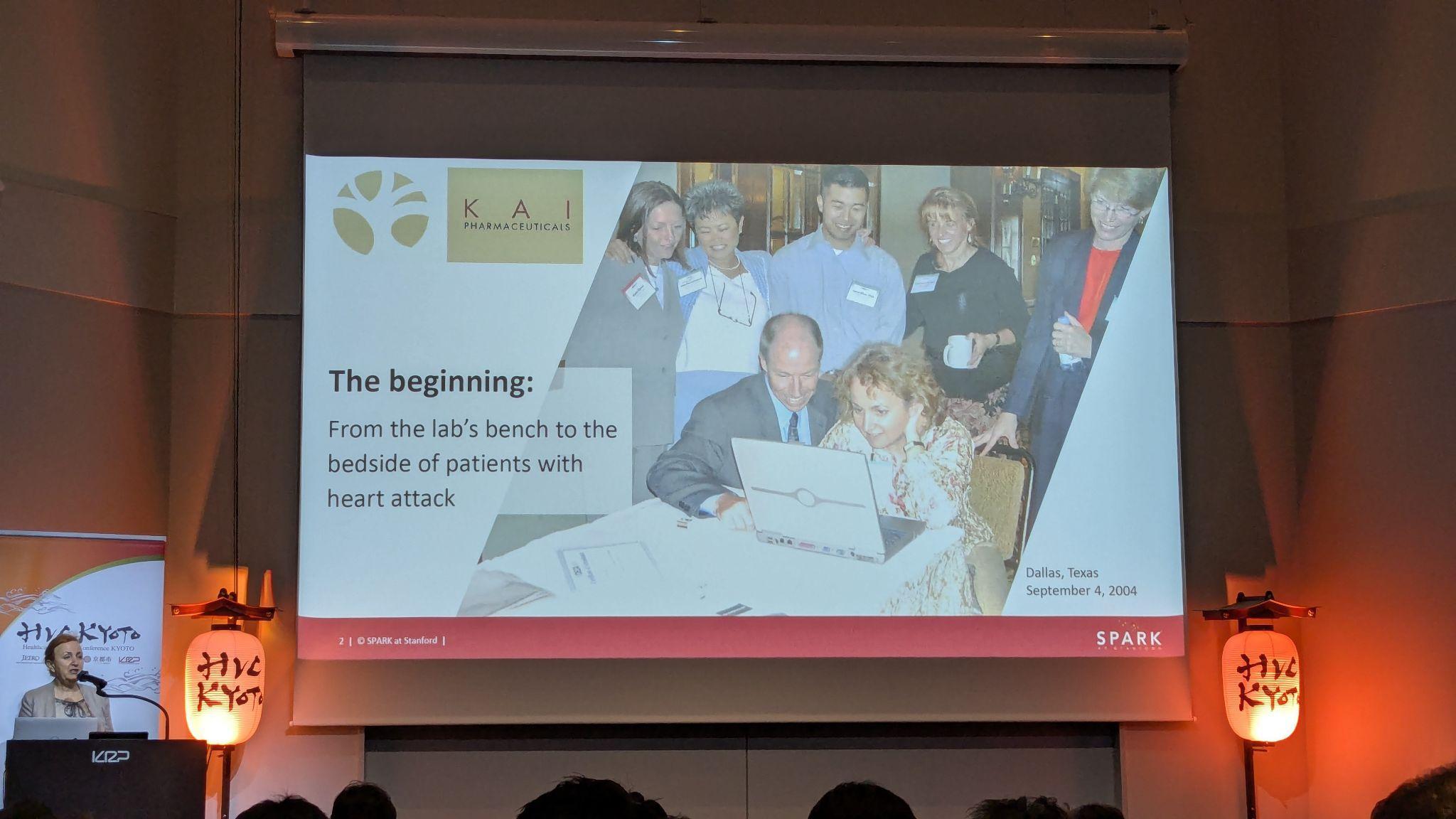
This was the opening line of the keynote speech by Dr. Daria Mochly-Rosen, professor at Stanford University School of Medicine, at Healthcare Venture Conference (HVC) Kyoto 2025 Demo Day, marking its 10th anniversary. And for a good reason: the startup landscape in Japan, although expanding, still needs to attract more entrepreneurs who dream big and are ready to take on the risk.
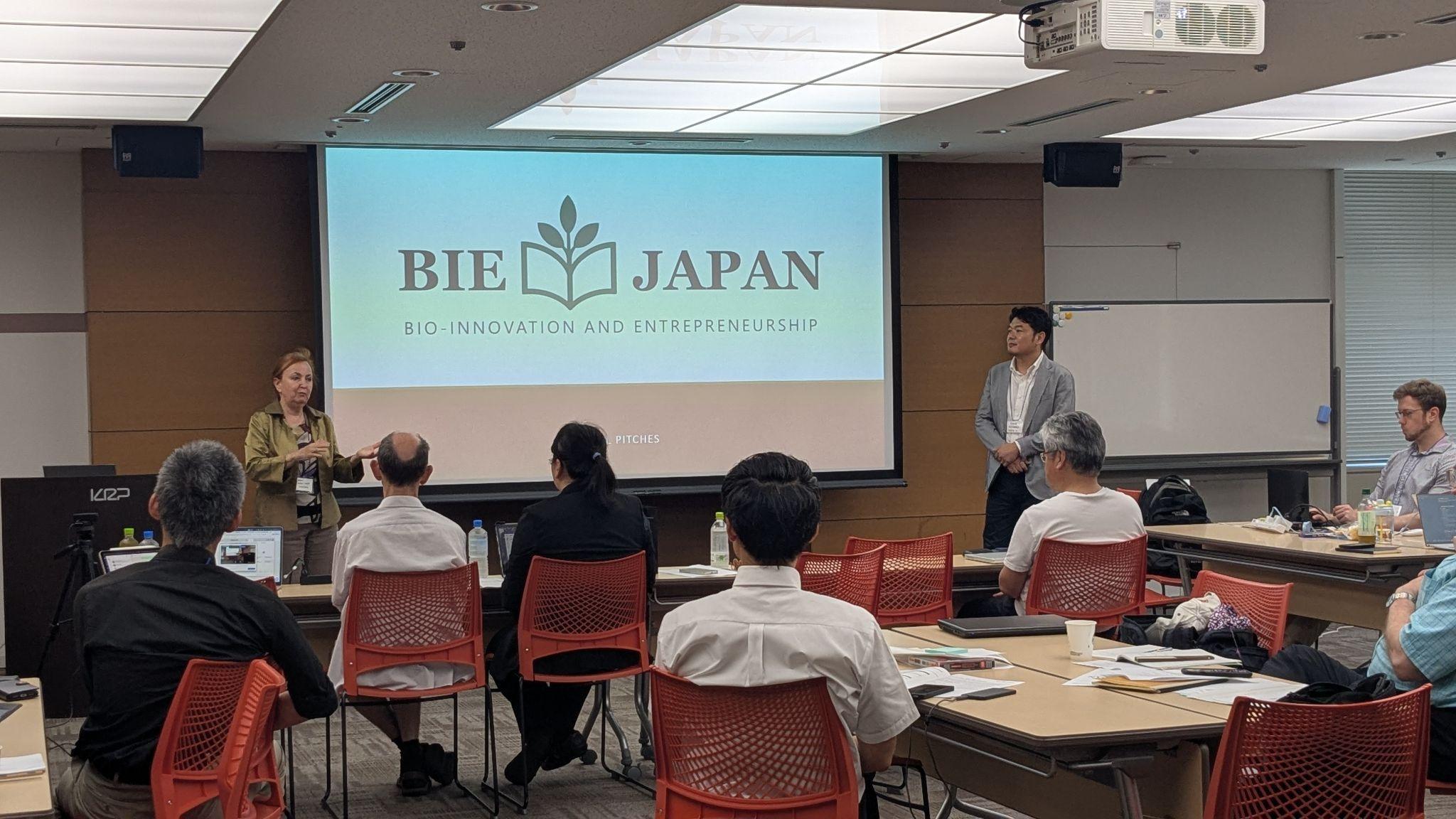
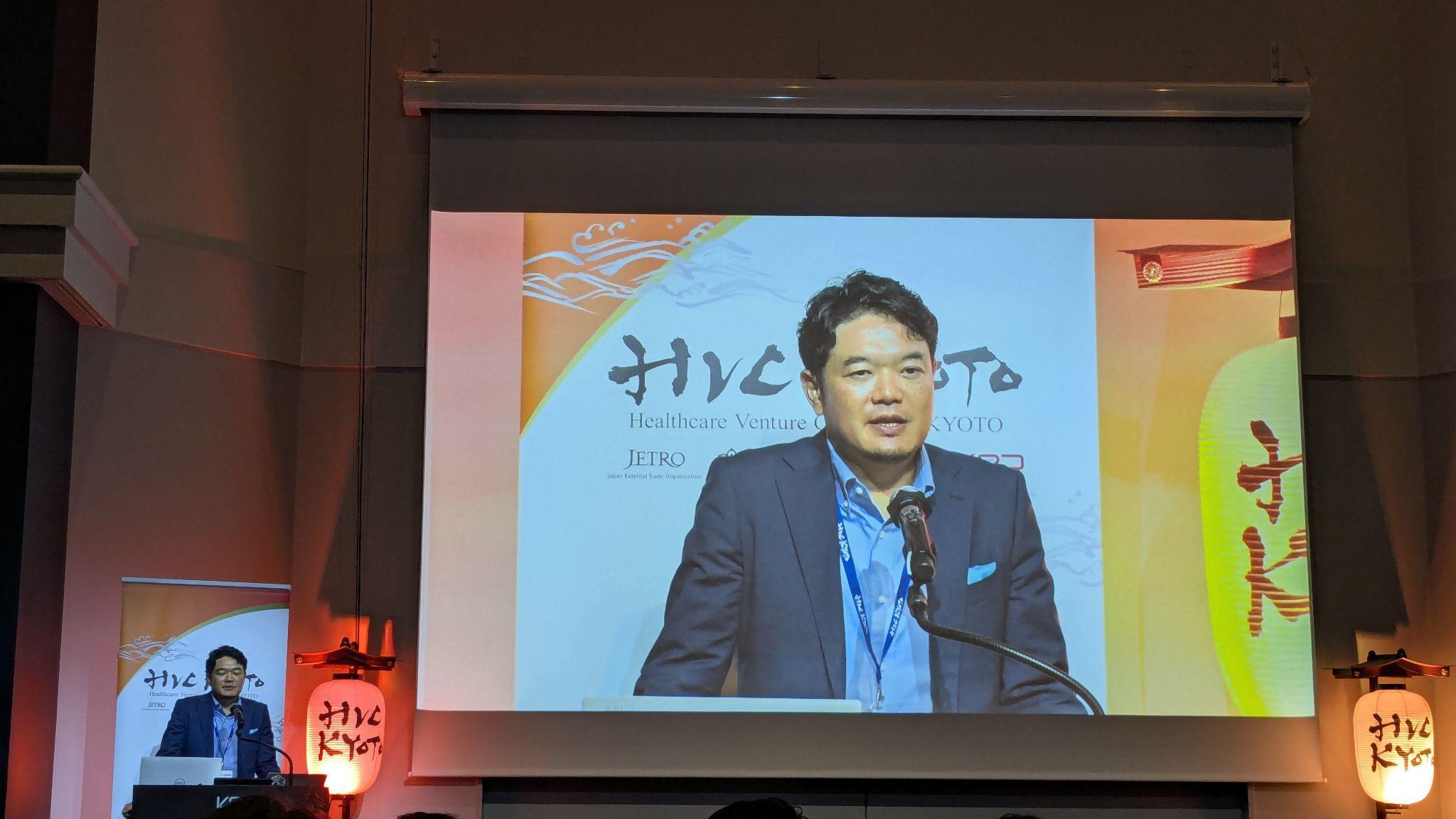
That is why Dr. Tomoyoshi Koyanagi, director of business development at iACT, Kyoto University Hospital, organized a Biomedical Innovation and Entrepreneurship (BIE) workshop right before the HVC Kyoto Demo Day, to train scientists, medical practitioners, and aspiring entrepreneurs in designing a commercially viable product based on a scientific idea addressing unmet medical needs.
Dr. Isabella Hajduk from the Centre for Innovative Medical Research (CIMR), Sydney, Australia, led the BIE workshop. Isabella and her colleague, Prof. Michael Wallach, developed the course for master’s students and have been training scientists for over a decade to think beyond research confined to the lab. The course was then compressed into 2 weeks and integrated into SPARK, an academic translational training program founded by Daria at Stanford 19 years ago to bridge the gap between industry and academia in biotechnology development. SPARK Global is now operating in ~30 countries, including Australia and Taiwan. Prof. Jane Tseng, the director of SPARK Taiwan, was one of the advisors at BIE Workshop in Kyoto, which marked SPARK's arrival in Japan as a powerful program in translational research.
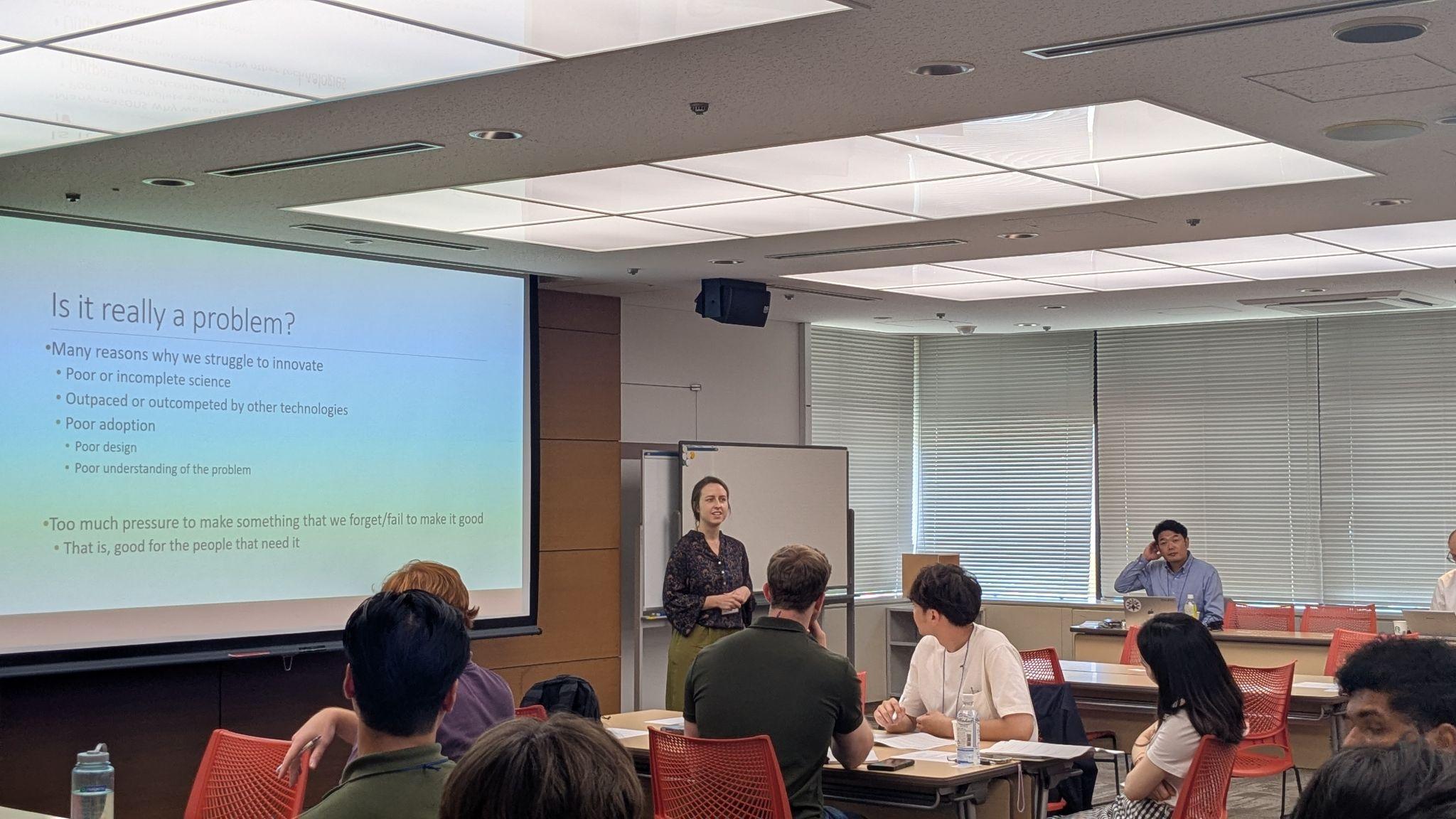
Over 3 intense days of the workshop, 5 teams brainstormed ideas brought forward by SPARKees, biomedical scientists from Japan and Australia who stepped out of their comfort zone to develop their projects into potential business ventures. The workshop participants were an exciting mix of scientists and business management students representing 10 countries. Following short lectures by Isabella, Prof. Will Baber from the Graduate School of Management, Kyoto University, Prof. Fumiaki Ikeno from Stanford University, and Dr. Devang Thakor, an IP and legal expert from the Silicon Valley, the participants immediately applied this knowledge in their group work. As a result, the teams pitched diverse and compelling projects, making it hard for the judges to pick a winner.
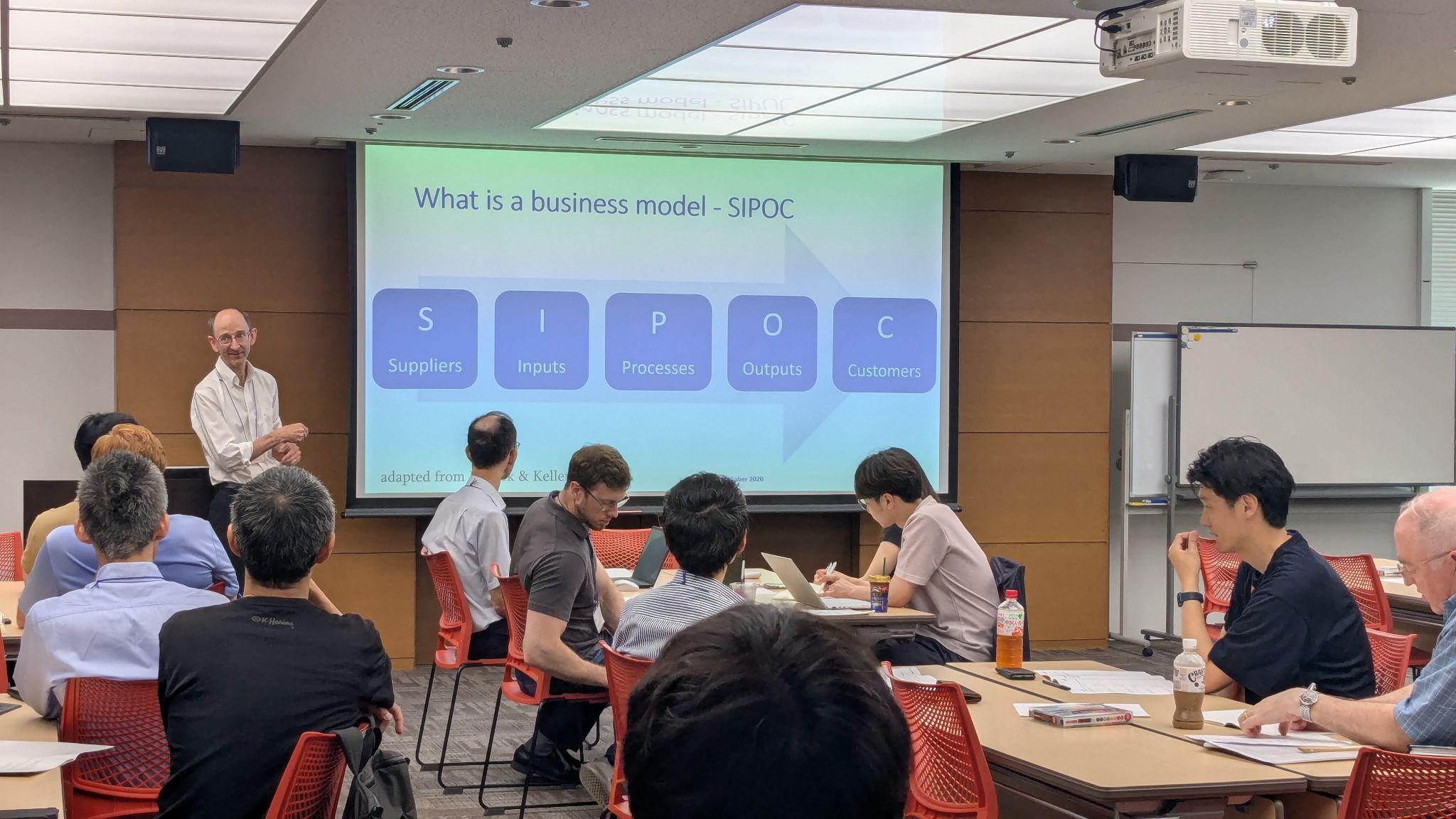
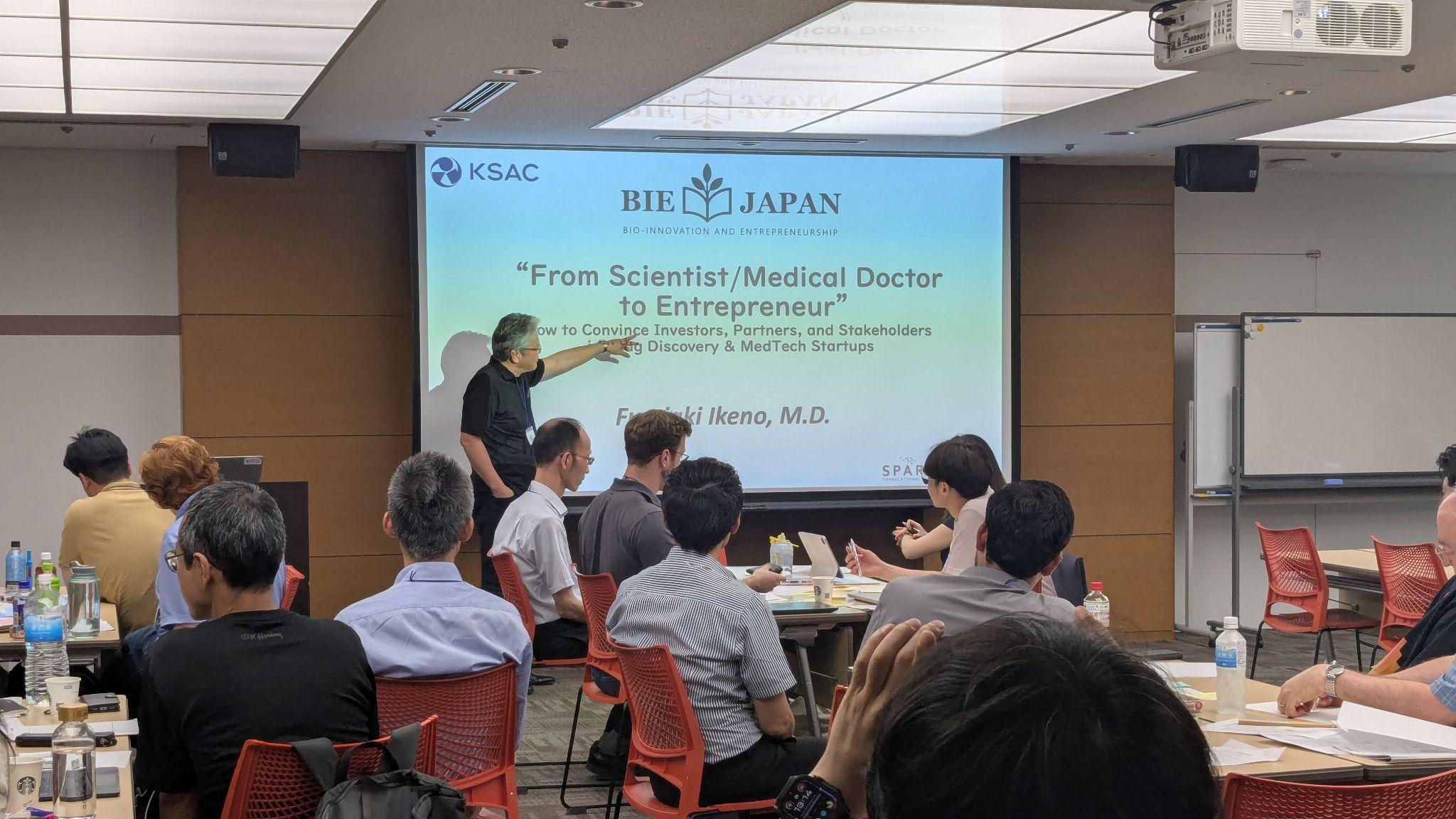
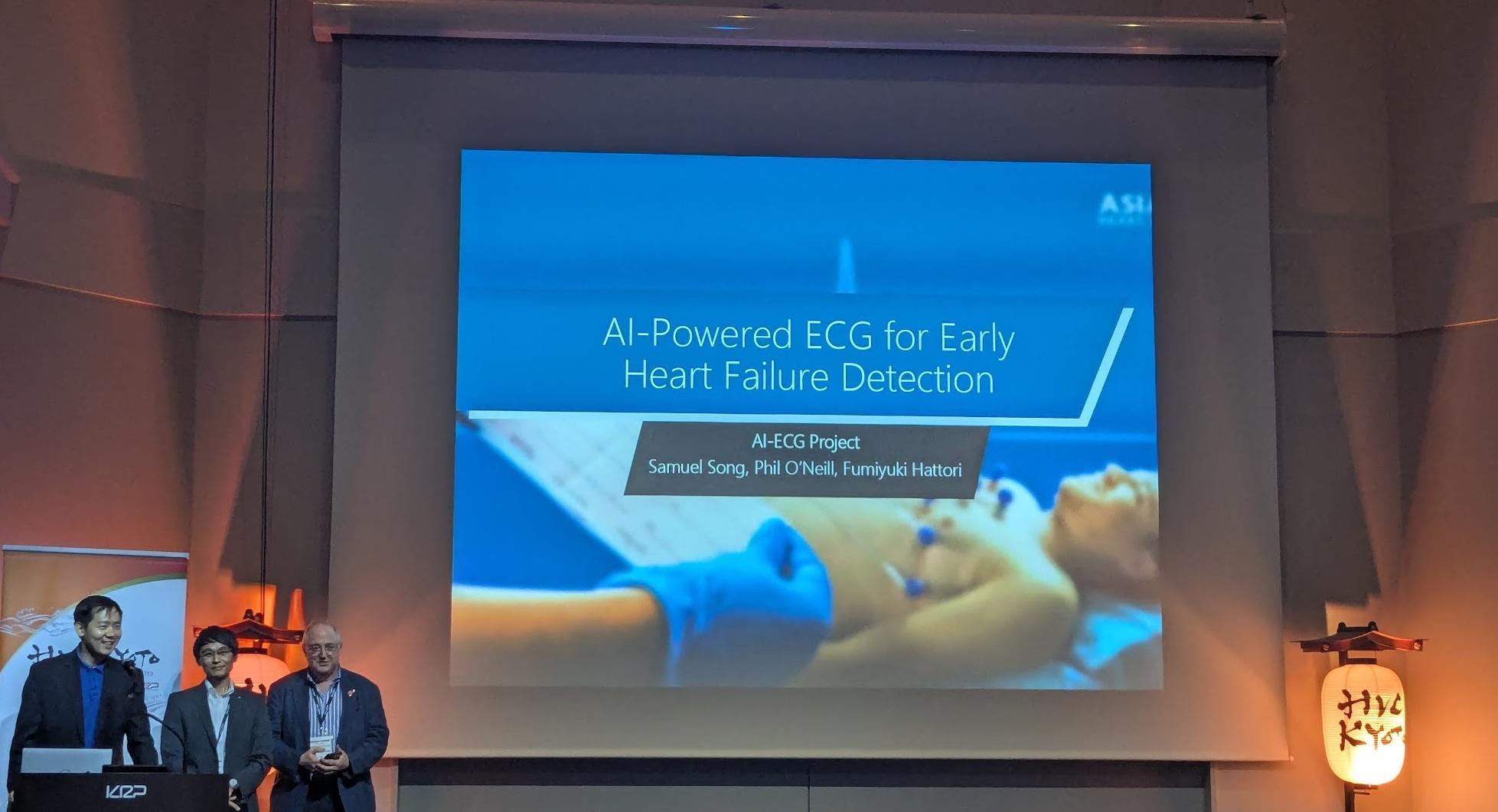
The projects ranged from an AI-assisted speaking companion and Asia’s first AI-driven microbiome health tool to a new approach to treating dangerous heart rhythms and a small antibody-based insomnia drug. The workshop finalists successfully presented their project, “AI-Powered ECG for Early Heart Failure Detection”, at HVC Kyoto Demo Day alongside 22 promising startups working on cutting-edge healthcare technologies in front of VCs and big pharma companies.
The workshop participants very much enjoyed working in teams and found the experience “insightful”, but “difficult”. It was inspiring to see their creative work, constructive debates, and grit in action. “I only got 3 hours of sleep last night, but I am grateful for the opportunity, it’s been a lot of fun!” - recalled one of the participants before the final pitch.
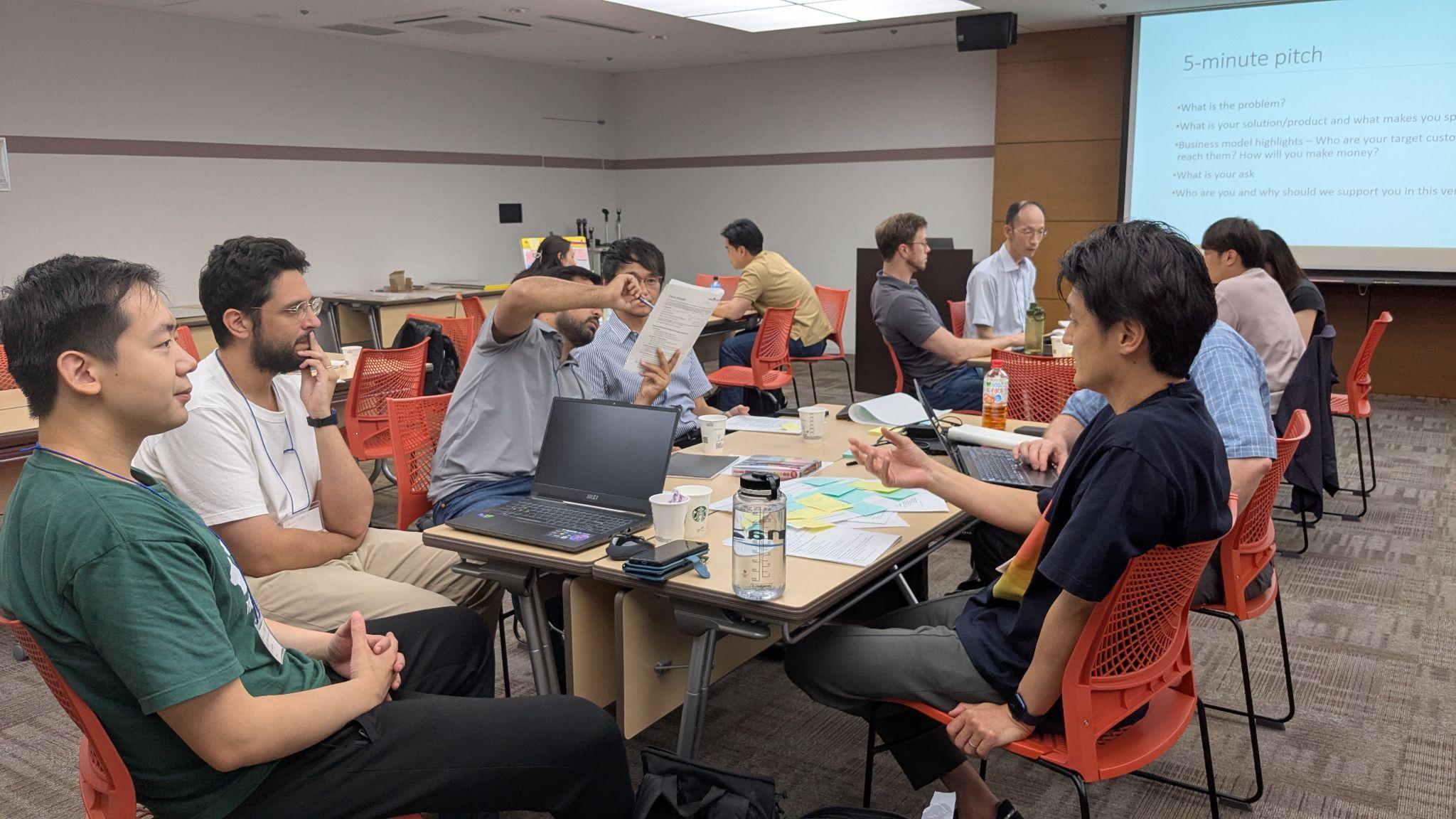
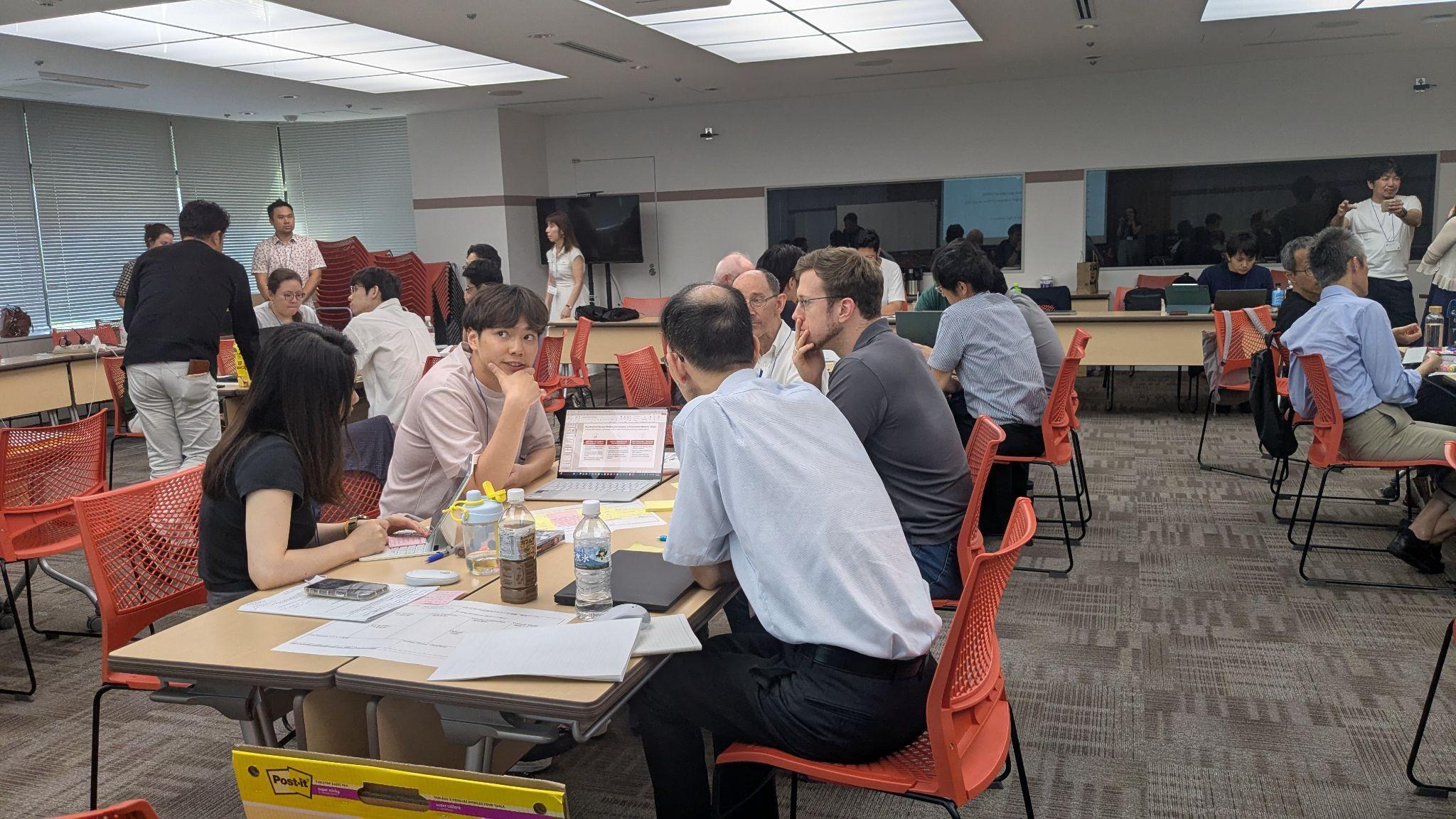
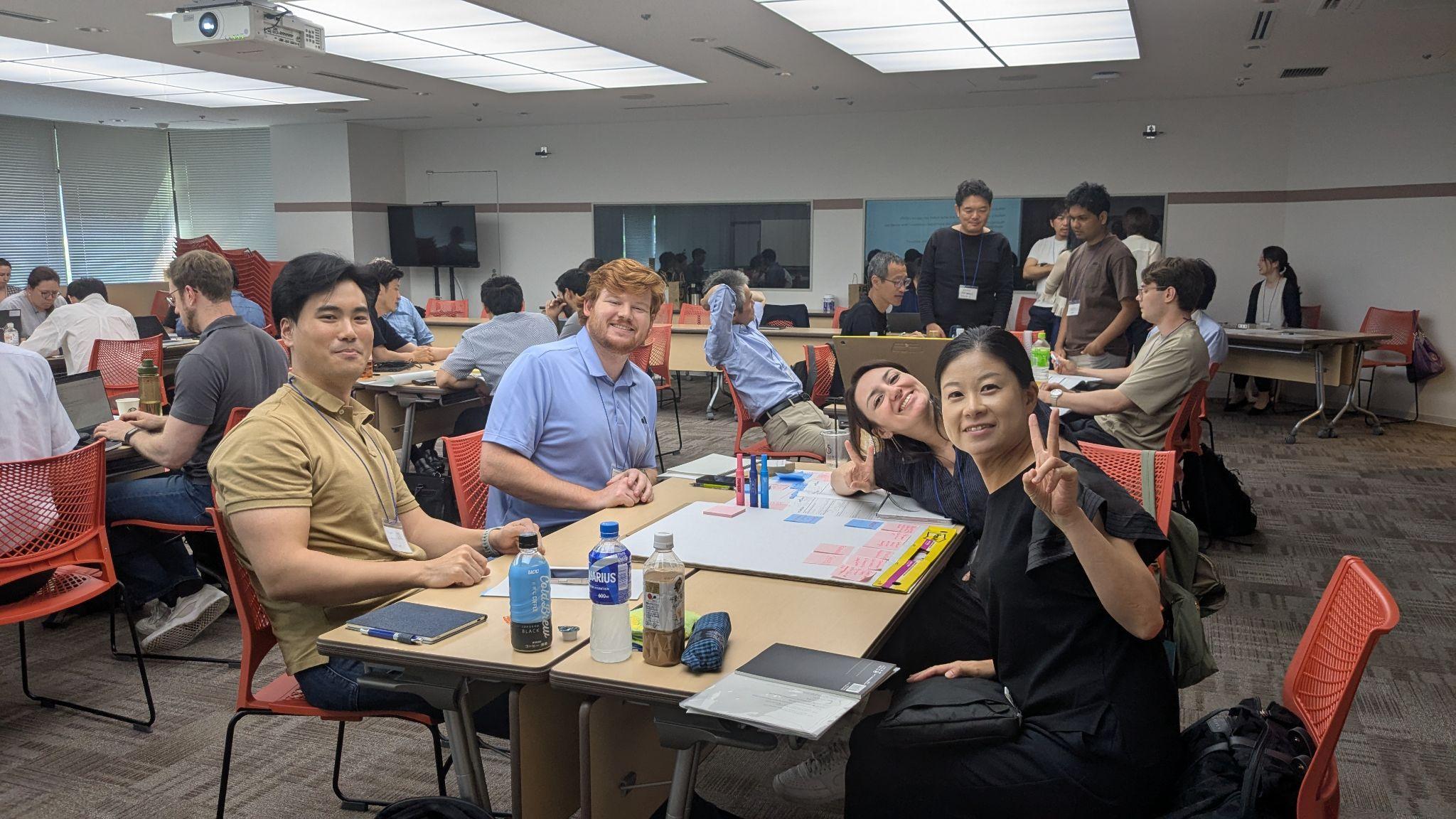
Looking back at the workshop, Isabella comments: “I was very much impressed by all the teams, their dedicated teamwork, and the final pitches. The business management students were quick on their feet to understand the science behind the ideas, which was amazing to see.”
As for the student participants, they found there was practical importance in the tools used such as the Business Model Canvas and visible benefit to diversity in teams. Other students noted how much work and pre-planning it takes to get a venture off the ground and the remarkable opportunity to work alongside mentors, professors, and technologists. Students also found the opportunity to develop and improve their pitches very appealing.
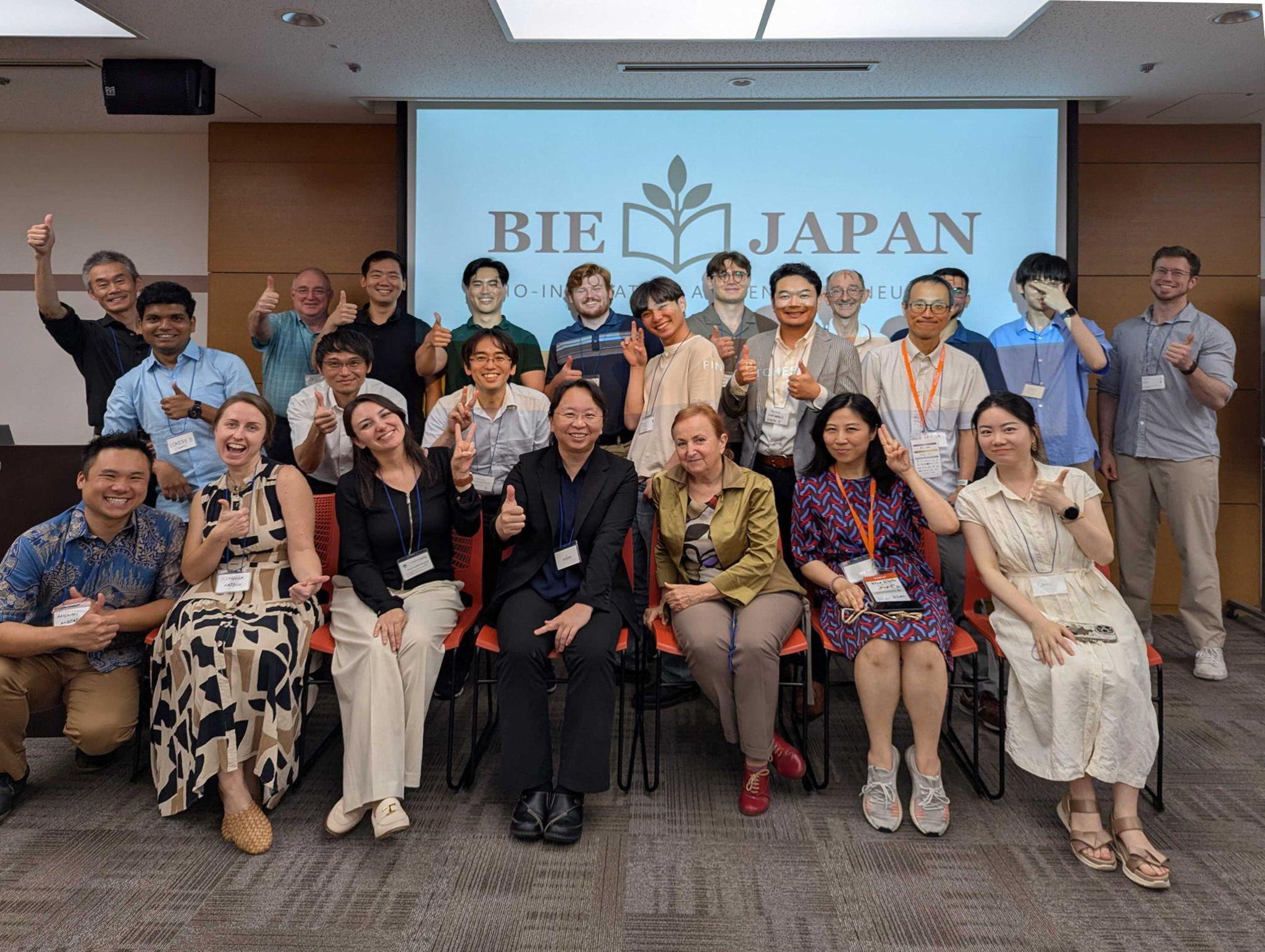
The first BIE Workshop in Japan brought together driven specialists from all over the world and highlighted the power of collaborative work. We encourage you to apply for BIE Japan 2026 to make your passion for improving people’s lives a reality.
By Larisa Sheloukhova
| Day 1 28th June |
Welcome |
|---|---|
| Project pitches from SPARKees and team from action | |
| Defining the problem and opportunity | |
| Sharping the solution and product | |
| Plannning your Proof of Concept (PoC) | |
| Day 2 29th June |
Introduction to Business Models |
| How to deliver a Pitch | |
| Short pitch preparation | |
| Short pitch presentation (collective) and feedback | |
| Day 3 30th June |
Plactice final pitch (one at a time) and feedback |
| Final pitch edits | |
| Final pitch presentations | |
| Judge deliberations, winner announcement and closing remarks |
Many participants described the workshop as “challenging yet highly rewarding.” They appreciated the opportunity to learn from mentors from both academia and industry at the forefront of their fields, while engaging in intensive teamwork and international collaboration.
We will continue to enhance the program by incorporating the valuable feedbacks we have received.

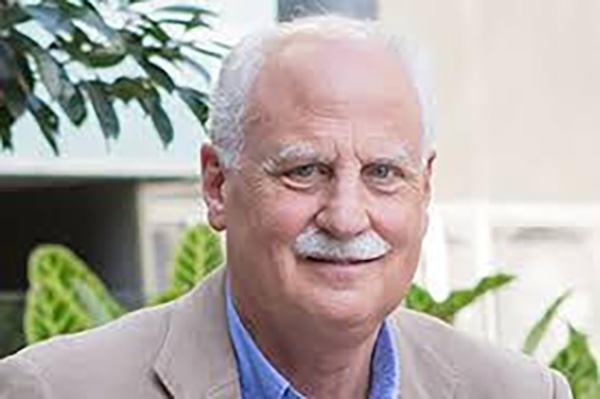
Professor Michael Wallach
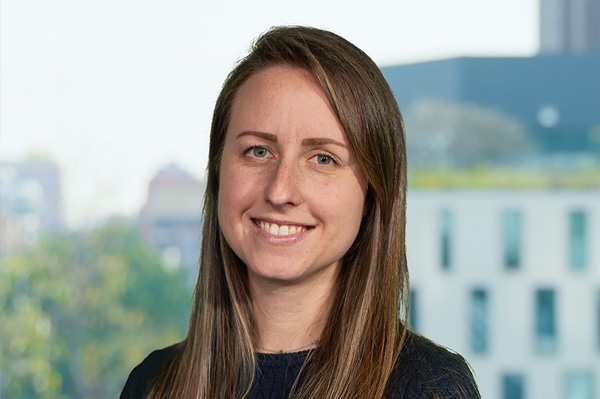
Dr. Isabella Hajduk
The Biomedical Innovation and Entrepreneurship course has been an amazing experience for me from its original conception.
Over the years, I have visited many countries and Universities and worked with young people at all stages of their careers. The key takeaway message for me is that BIE works, and it helps unleash in everyone their creative potential. Students, clinicians and academics always leave the course with a feeling that something important has occurred for them professionally and in their lives. I take enormous pleasure from this outcome that was evident from the very beginning. This cannot be more true than my experience from teaching in Japan. I saw students become Innovative and Entrepreneurial within a few days of teaching.
I therefore most heartedly recommend BIE for anyone in the Biomedical science and health community.
(Professor Michael Wallach)